Back To The Beginning
Part 1 of T Is For Time Travel by Rane Guthrie
THAT FIRST CUP
Imagine, if you will, the smell of tea steeping. It’s a blend you’ve never smelled, nor tasted. Few have. As you breathe in the infused steam from the pot, I would advise you to deeply, closely experience every impression this tea gives your senses, from the scent of the dried herbs before they meet the water, to the very last drop upon your tongue - for this is no tea to be found in a supermarket, nor even in the most specialty of tea shops.
This tea is magical.
This tea is for time travel.
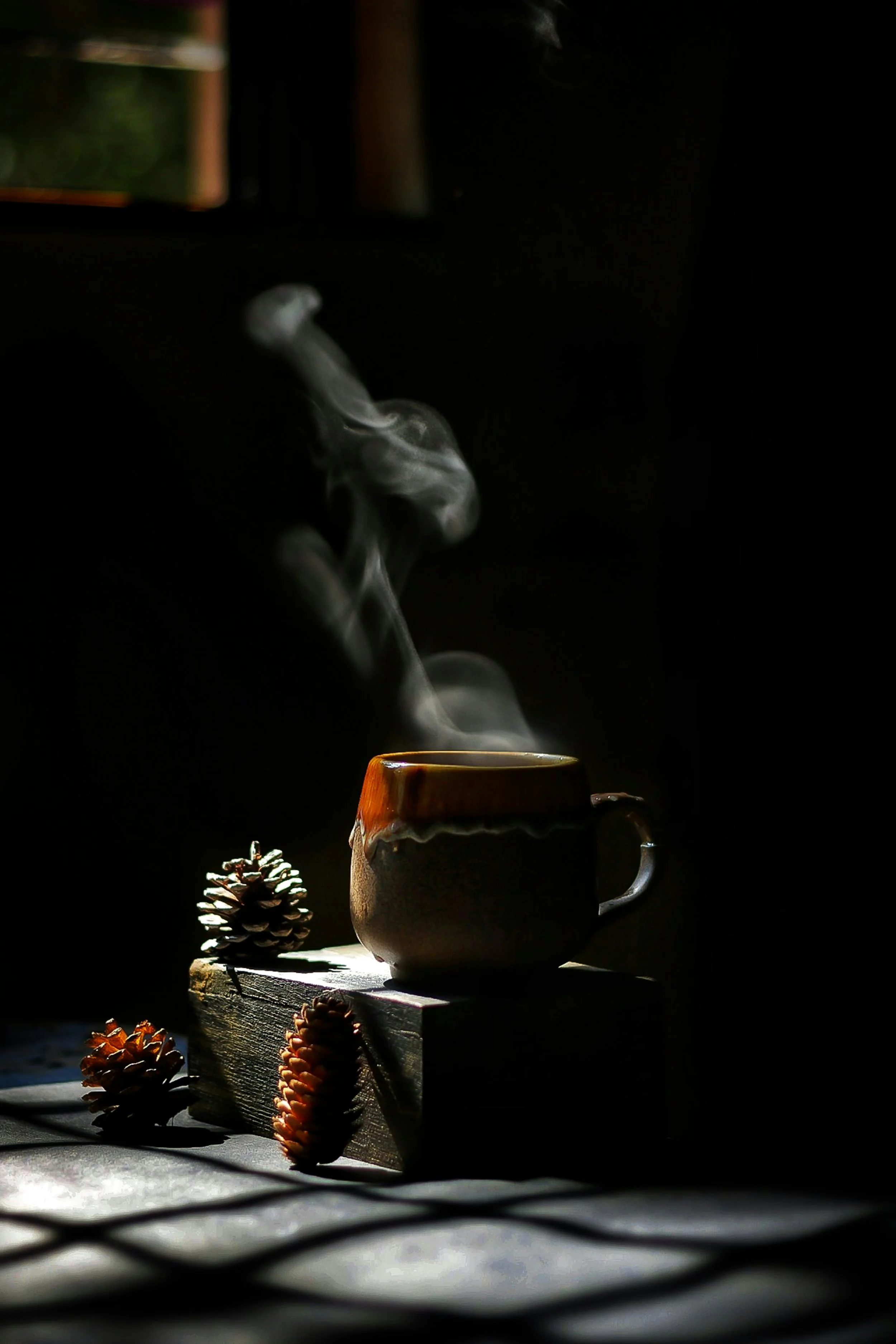
Photo by Sameer Waskar on UnsplashPhoto by Sameer Waskar on Unsplash
With every sip, it will send you backwards, skipping across the surface of time like a stone. In case you are wondering, the surface of time is not a pond, nor a lake, nor even an ocean.
No, it’s cups of tea you’ll be skipped across - the most important cups that our ancestors ever drank.
So drink deeply of this mystical beverage, because we’re not going back just a few cups in the history of tea. We’re visiting the very first cup. The one which gave birth to them all. The one that, with a contented sigh, brought forth the giant that wars would be fought over, that economies would be both dashed to be pieces against and given new life by, that romances and marriages would spark from and be ceremonialized with.
As you near the bottom of your cup, the journey begins.
The room spins and fades away like mist. You are somewhere new, but only for a moment, only long enough to see an identifiably Western setting, as well something making it’s first appearance in history, and thus last appearance is your journey back: tea made with a tea bag.
Fade to black for a moment, then smash cut as your very being is transported again. The cup you are witness to now is still in the Western world, but the wigs and regal setting tell you this is much farther from your own day and age.
Your glimpse at a Victorian Era afternoon tea - and the lady who is it’s namesake -vanishes as swiftly as it appears. Now you are whisked out of the West, and further back through time in a leap more disorienting than anything yet.
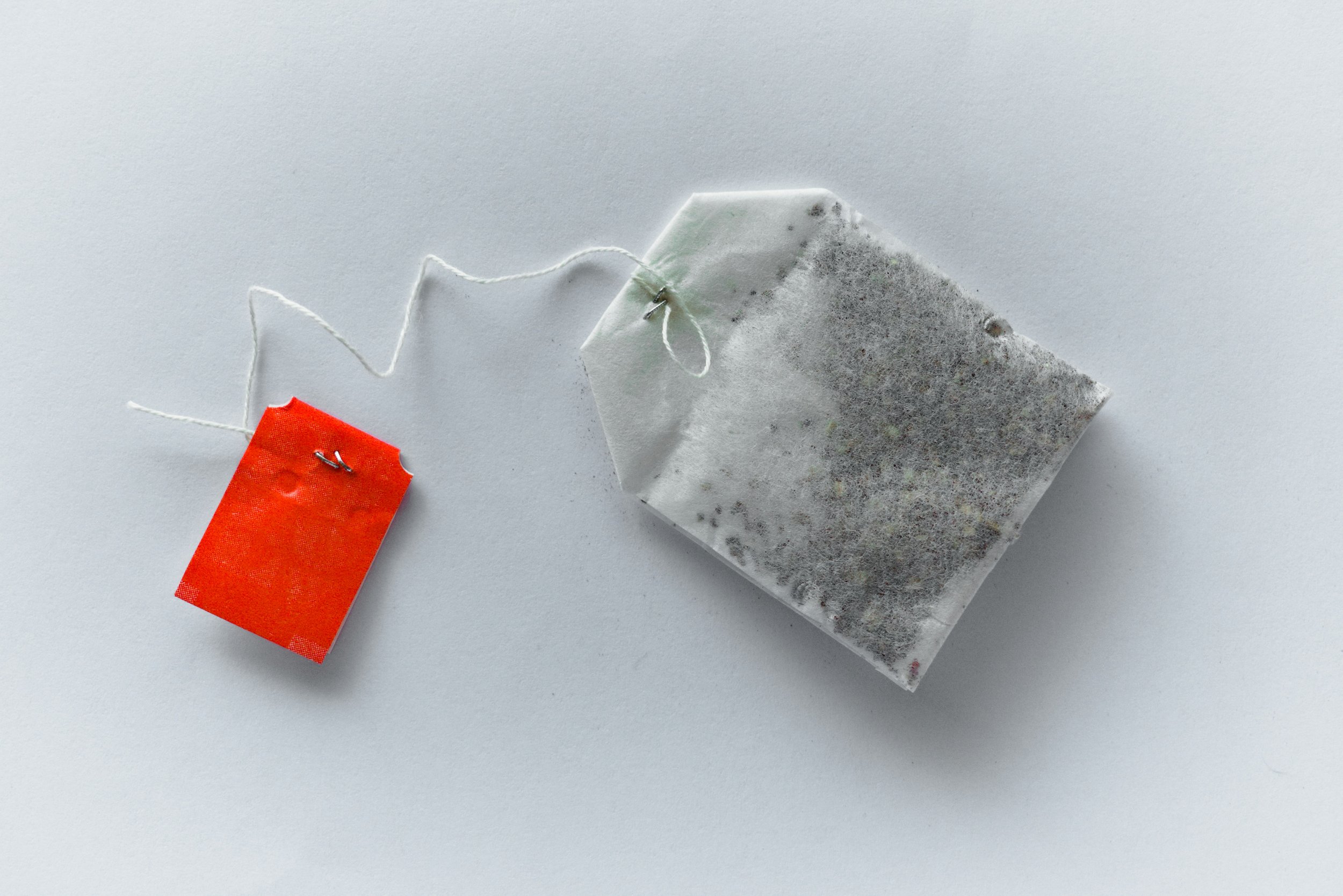
Photos by Lynda Sanchez and Rodolfo Marques respectively, on Unsplash
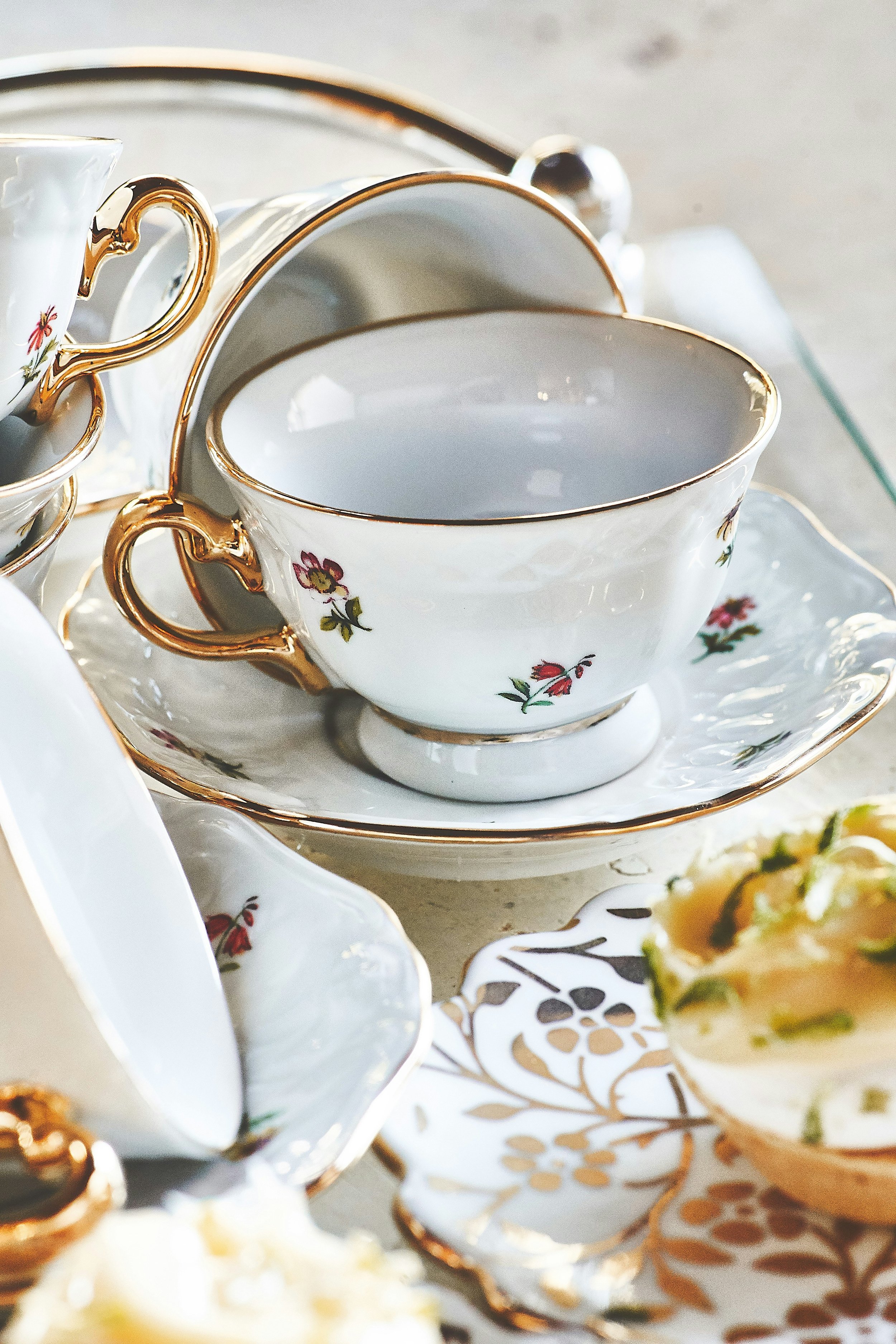
Photos by Lynda Sanchez and Rodolfo Marques respectively, on Unsplash
No more western palaces, factories, or churches. Now you see Zen Buddhist temples. Particularly jarring is the method of making tea. Far from the glimpse of convenience you had in the first tea bag, and even from straight-forward loose leaf steeping of Queen Victoria’s party, the humble monks before you grind leaves with patience and care, as much as with mortar and pestle. After, they whisk the resultant fine powder into their steaming water.
You hear one of them say a word you don’t know, clearly the name of the beverage they have made, before handing it towards you. The word sounds to you like ‘cha’ and before it all fades away, you connect that word to the drink you know as matcha.
And at last, you have reached your destination. The swirling rooms and fading tea-makers come to an end. It is dark, and there are stars above. The air is fresh and cool, revitalizing after the dizzying hurtle through history. Just ahead, you see a small fire, partnering with the shadows in a slow, comforting waltz that makes you a little sleepy.
You have come to the place where the first cup of tea was made.
You have come to a watershed moment. History will never be the same after it.
You have come to the site of a deeply impactful… accident?
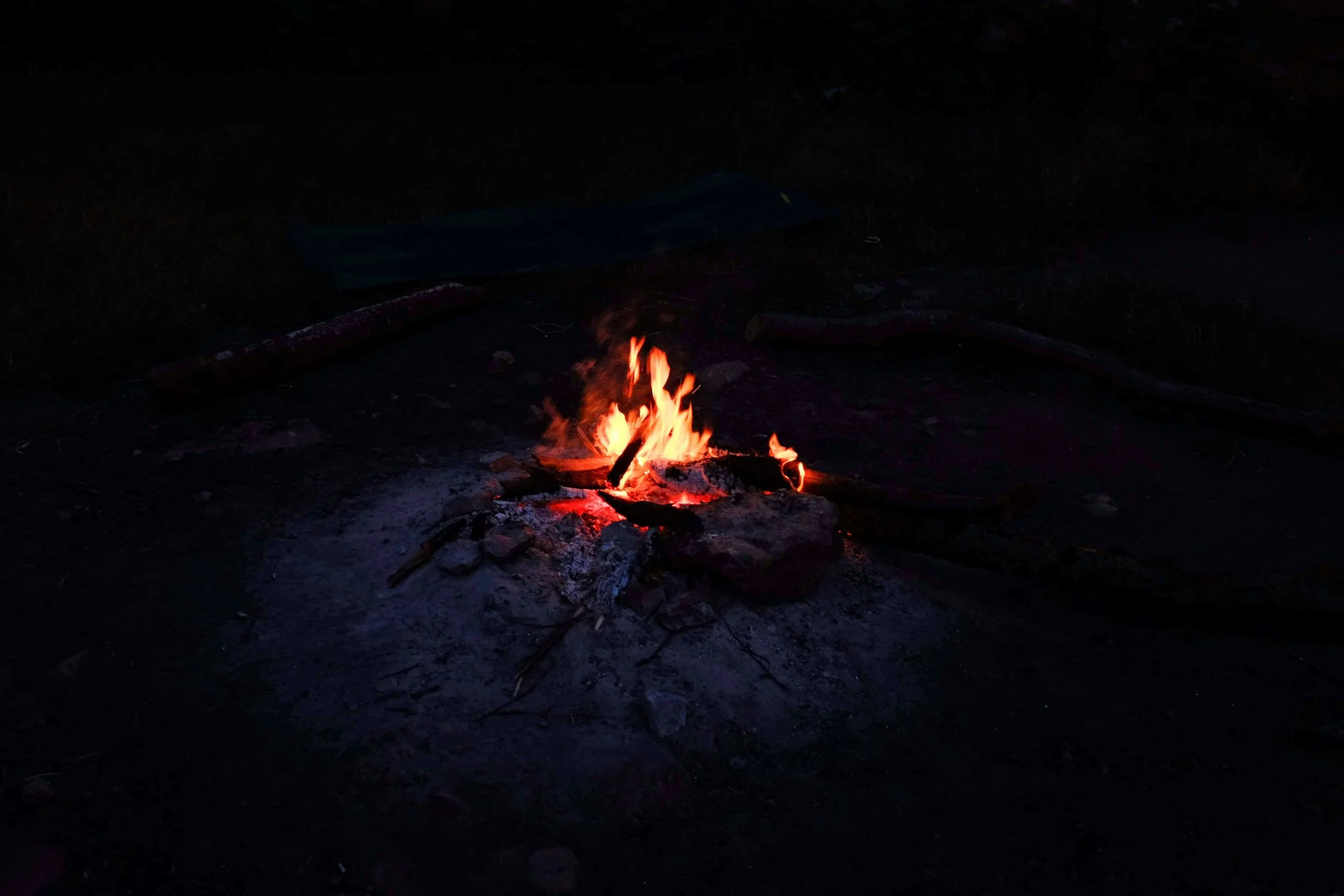
Photo by Sergio Vilches on Unsplash
A solitary man sits before the fire, serenading the trees above with a stringed instrument. It seems of humble creation, more utilitarian than the finely crafted and varnished instruments of your day.
The music he crafts upon his guqin, however, sounds fine as any music ever played, on new instrument or ancient.
He pauses his plucking upon noticing you. He is not dismayed, or even startled by you, but beckons you to warm yourself by the fire as he continues his playing. As you draw near, you see that this man has hands that are nimble for the playing of music, yes, but they are also hands hardened by work, worn and muscular.
If you were to guess the man was a farmer, you would guess rightly.
Sitting upon the flames is a clay vessel, and in it, bubbles are beginning to rise to the surface, by ones and twos, the first sign of the soon-to-come boil.
“I’ve found that the boiling of it keeps sickness away. At least, any sickness borne upon the water.”
He introduces himself as Shen Nung. If you know Chinese, the name in and of itself would place your expectations for this gentleman quite high. Somewhere, say, in the heavenly realms of Chinese mythology. Shén (神) meaning ‘god’, and nóng (農) meaning ‘peasant’ or ‘farmer’, this is a man born for extraordinary deeds of revolution, in a time when nomadic life, full of privation and uncertainty, was all that was known.
In the mountainous Shaanxi region of Northwestern China, around 2700 BC, Shen Nung is said to have been born to celestial beings (some say a princess and a dragon). He is attributed with the invention of the ax, hoe, and plow. He pioneered the preservation of seeds, the irrigation of crops, and sophisticated agriculture itself. He single-handedly traded in his people’s starvation with a prosperity and ease of life that their nomad forebears could not have imagined.
Divine Farmer, indeed.
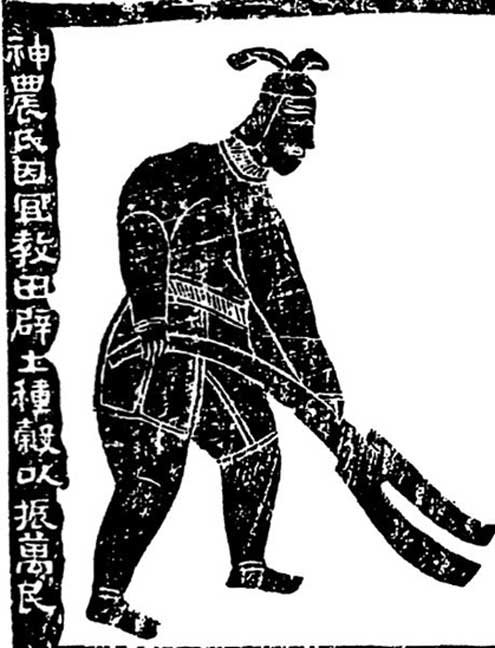
2nd Century Mural of Shen Nung. Public Domain.
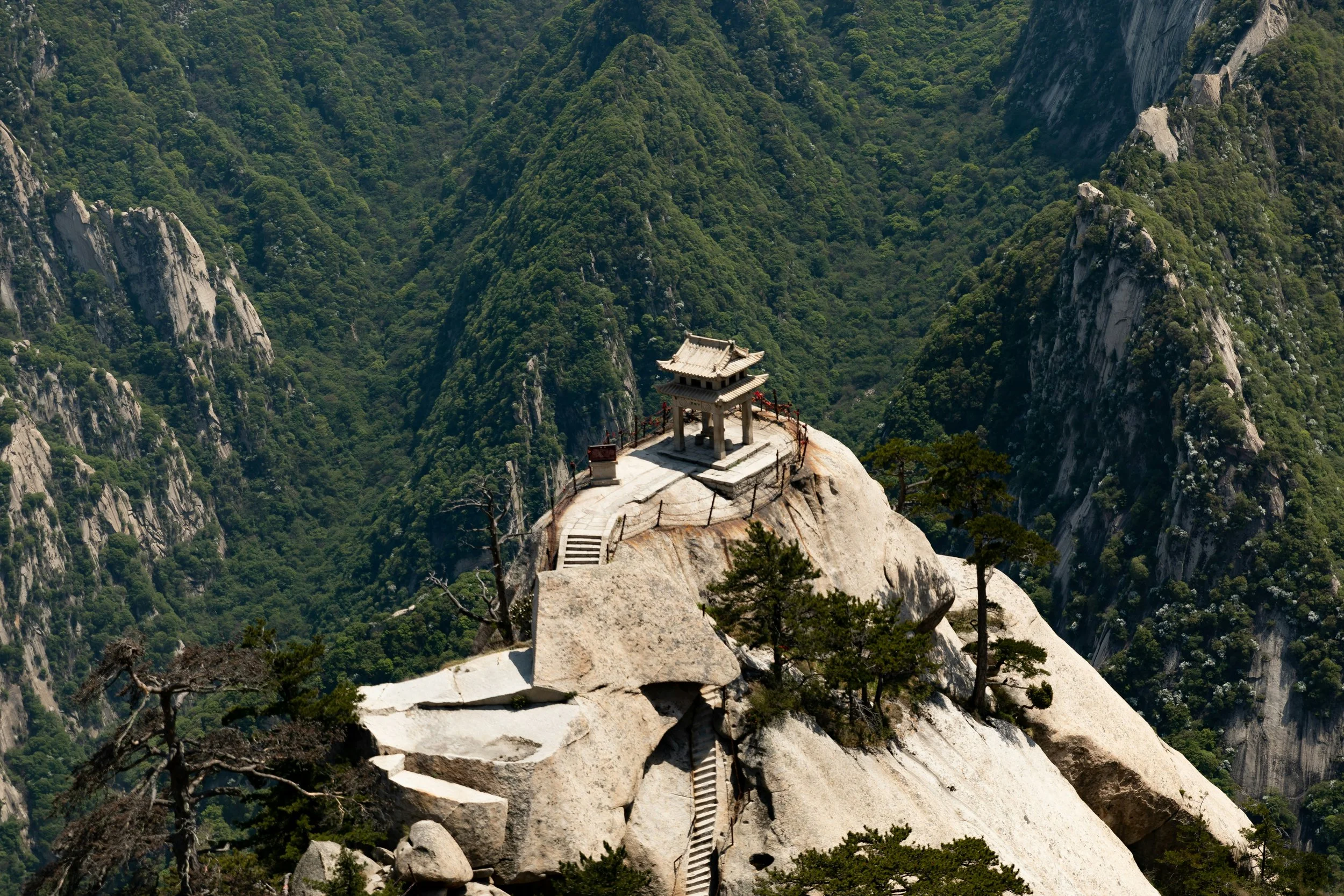
But if that wasn’t enough, Shen Nung is also the first practitioner of traditional Chinese medicine. Thanks to his demigod status, he was born with a very useful superpower, albeit, a strange one: a transparent stomach, perfect to observe the real-time effects of food and drink on human physiology. Because of this, Shen Nung was just the person to discover and categorize the harmful and beneficial foods in the world around him.
The three sacks sitting just behind Shen Nung, filled near to bursting, will be the basis of a foundational work of Herbal Medicine: The Shennong Bencao Jing or The Herbal Classic of Shennong, in which herbalists collected life-saving information regarding herbs, filings them by a ranking system attributed to the Man, the Myth, the Legend.
Shen Nung is reputed to have ingested herbs, observed their effects on himself, then placed them in one of his three sacks accordingly.
One sack held the High, or Superior herbs, the most beneficial kind, safe for continual consumption.
One sack held the Middle Herbs, helpful for very specific uses, but not the best for extended consumption.
And one sack held the Low, or Inferior Herbs, that should be consumed only in very careful doses, if at all, for treatment of acute illnesses.
Now, you probably think, that sounds like somebody who might drink that very first cup of tea.
And behold: a leaf from one of the surrounding trees descends in the breeze. It spins, it drifts, it nearly misses the pot of bubbling water.
But it doesn’t.
You go to flick it away, get it out of this man’s carefully cleansed water.
He holds up a hand in objection, and draws near, setting aside his guqin. With a deep inhale, he tests the scent of the steam rising from the water. He stirs the water, lets it boil some more, and then uses a ladle to scoop some of the water into a small cup.
He opens his robe, exposing his belly, and it is, indeed, transparent.
Then, a long sip, followed by a long moment, waiting for the liquid to descend.
This moment no doubt is filled with tension for him, not dissimilar to a game of Russian Roulette for his digestive system. He’s reputed to have once poisoned himself seventy times in a single day, nearly expiring before discovering a cure.
But this is no poison. This is a leaf from the Camellia Sinensis.
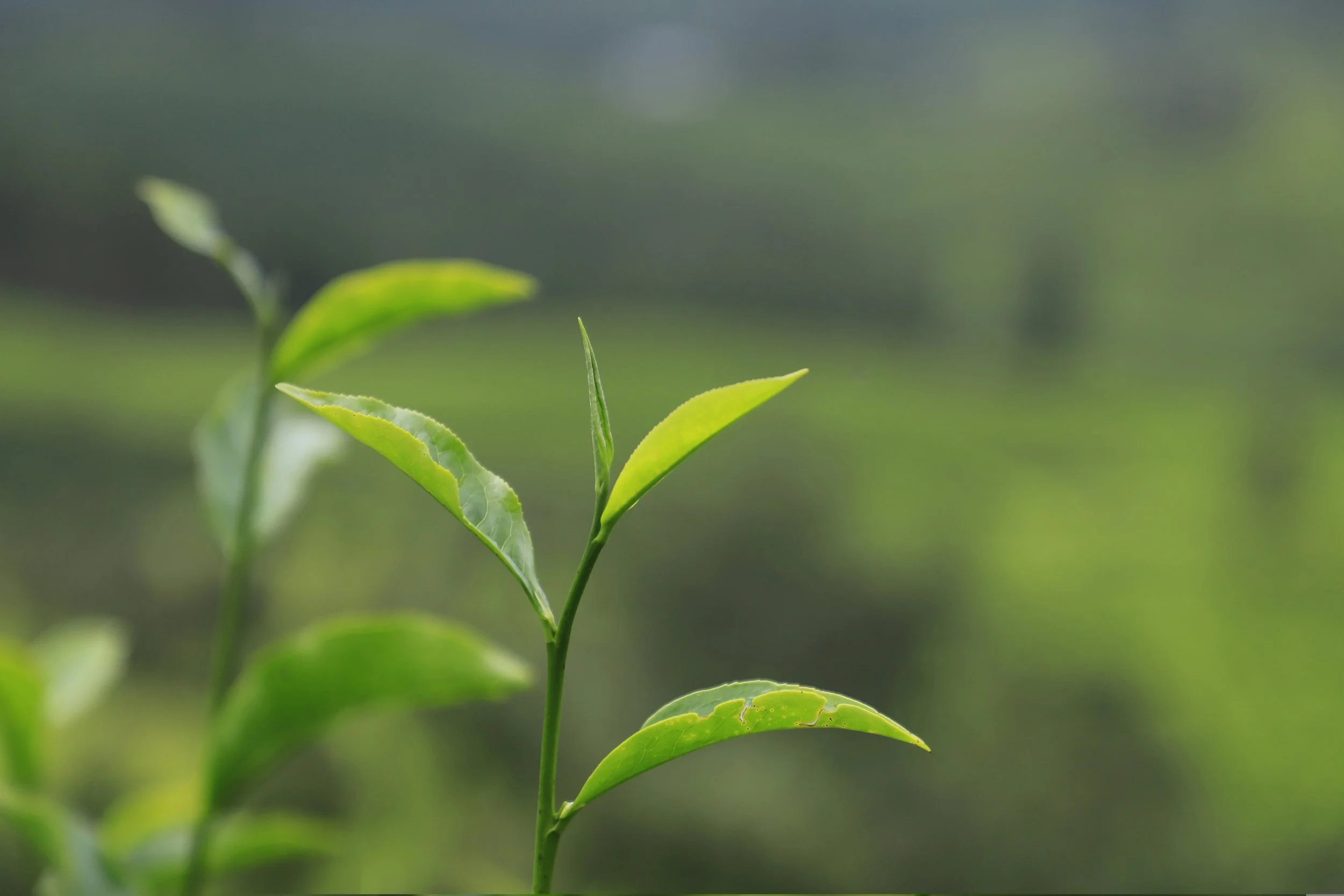
Photo of Camellia Sinensis by jaikishan patel on Unsplash
This is the first cup of tea.
You join him, perhaps feeling a little queasy, and observe the passage of the infused water. The leaf it is infused with he will eventually christen Cha - a play off the Chinese word for scrubbing. For that is, in fact, what you both observe the tea doing to his see-through systems. They’re cleaner now.
He smiles, closes his robe back over his stomach, and fills a second clay cup with the increasingly aromatic water. With a bow, he hands it to you.
The second cup of tea. Ever.
Of course, infusing water with the healthful benefits of herbs is not a new custom, even 4,700 years ago, and so if we are counting herbal tea (a.k.a. tisane), this is almost certainly not the first cup.
But if we mean true tea, the infused beverage made from the Camellia Sinensis, the ‘Cha’, we have tasted and seen the greatest ancestor of every cup ever steeped.
What’s more, we’ve observed Shen Nung’s renowned curiosity, without which the accident would have passed away as a useless trifle. His mythical drive to understand and catalogue the natural world around him, with all it’s blessings and perils, were truly the most divine thing about him, dragon parentage or no.
So when the magical tea for time travel has worn off, and you are back home, steeping your next (regular) cup of tea, remember that curiosity about the world around you can make all the difference.
We try to remember that every time we create a new blend.
~
R.W. Guthrie
Homemaker’s Haven